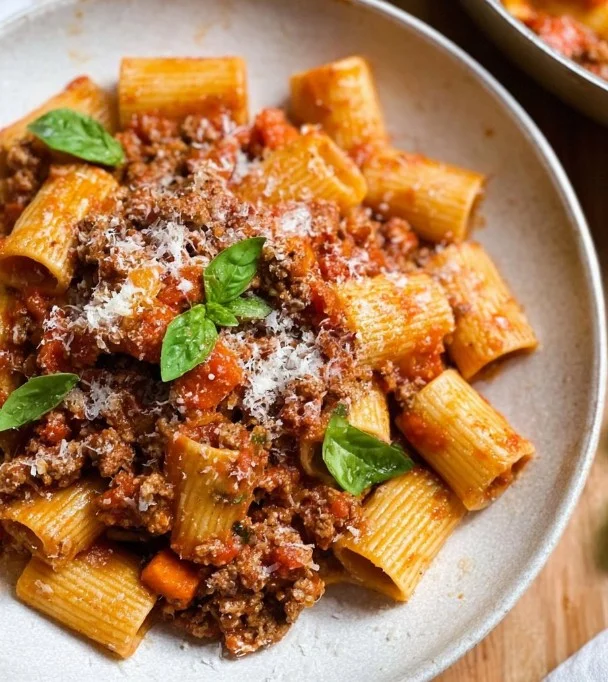
Classic Bolognese Sauce is a classic Italian dish that excels in flavor and texture, perfect for a comforting dinner. This sauce transforms humble ingredients like ground meat, carrots, and tomatoes into a rich, hearty concoction that clings beautifully to pasta. I often find myself reaching for this recipe on busy weeknights when I want something filling yet straightforward to prepare.
Why This Bolognese Sauce Works
The secret to making Classic Bolognese Sauce lies in the slow cooking process; rushing this step can lead to an underdeveloped flavor. Using high-quality ground beef or a mix of beef and pork ensures a depth of flavor that makes the sauce robust and satisfying. When it’s done, the sauce should be thick and aromatic, filling your kitchen with a delightful warmth.
Ingredients
- 2 tablespoons olive oil
- 1 onion, diced
- 2 cloves garlic, minced
- 1 carrot, diced
- 1 celery stalk, diced
- 1 pound ground beef or a mix of beef and pork
- 1 can (14 ounces) crushed tomatoes
- 2 tablespoons tomato paste
- 1 teaspoon dried oregano
- 1 teaspoon dried basil
- Salt and pepper to taste
- 1 cup red wine (optional)
- Fresh parsley for garnish
Each ingredient plays a role in the final flavor and texture of the sauce. The olive oil is used for sautéing, while the vegetables provide both a base flavor and a touch of sweetness. This combination creates a wonderful canvas for the meat and tomatoes to shine.
How To Make It
- Heat the olive oil in a large pot over medium heat until shimmering. The oil should easily coat the bottom and be fragrant.
- Add the onion, carrot, celery, and garlic to the pot, stirring frequently for about 5-7 minutes until softened and translucent.
- Stir in the ground beef (or beef and pork mix), breaking it up with a spoon. Cook until browned, about 8-10 minutes, ensuring it’s no longer pink.
- Mix in the crushed tomatoes, tomato paste, dried oregano, and dried basil, followed by salt and pepper. Allow the colors and flavors to meld beautifully.
- Pour in the red wine, if using, and let it simmer. This step enhances depth and complexity, so don’t skip it.
- Reduce the heat to low, cover, and allow the sauce to simmer for at least 30 minutes, preferably up to an hour for optimal flavor development. The longer it simmers, the richer it becomes.
- Finish with fresh parsley for garnish, adding a fresh note that balances the dish.
This method creates a sauce that is thick enough to coat a spoon, perfect for serving over your favorite pasta.
Quick Substitutions
- Olive Oil → Vegetable Oil: This will work but lacks the distinct flavor of olive oil, making the sauce taste slightly different.
- Ground Beef → Ground Turkey: While this will reduce fat content, it may create a drier sauce that needs extra liquid.
- Crushed Tomatoes → Tomato Sauce: This substitution results in a thinner sauce, requiring longer cooking time to thicken.
- Red Wine → Beef Broth: This option will lend a savory taste but won’t provide the acidity and depth that wine contributes.
- Fresh Parsley → Dried Parsley: Using dried parsley can work in a pinch, but fresh parsley adds a more vibrant finish.
These swaps can help you adjust the recipe based on what you have at home without compromising too much on flavor.
Tips Before You Start
Consider chopping your vegetables uniformly; this ensures even cooking and helps avoid any crunchy bits in your sauce. If you find your sauce is too thin towards the end of cooking, simmer it uncovered for a few minutes to evaporate some excess liquid. When using ground turkey instead of beef, be mindful of moisture—adding an extra tablespoon of olive oil can help maintain the sauce’s richness. Also, don’t be tempted to skip the simmering time; letting the sauce develop its flavors slowly is crucial for achieving a homestyle taste.
Common Mistakes to Avoid
- Overcooking the Vegetables: If you cook the onions and garlic for too long, they can burn, leading to bitterness. Instead, cook them until just translucent.
- Skipping the Wine: Omitting red wine can diminish the sauce’s complexity. If you don’t want to use wine, consider a splash of balsamic vinegar for acidity.
- Rushing the Simmering: Cooking the sauce quickly can prevent the flavors from fully melding. If time allows, let it simmer longer for a richer result.
Taking the time to avoid these pitfalls will yield a much better sauce.
Nutrition At A Glance
- Serving size: 1 cup
- Calories: 380
- Protein: 25g
- Carbohydrates: 10g
- Fat: 28g
- Fiber: 2g
Enjoy a hearty meal without the guilt, as this sauce provides clean, satisfying nutrition.
Serving Ideas
- Serve over cooked spaghetti, and the sauce will enjoy a perfect cling, creating a unified dish.
- Pair with garlic bread to soak up extra sauce; the crunch of the bread contrasts nicely with the soft pasta.
- Top with grated Parmesan cheese, which adds a salty, creamy finish that enhances the overall flavor.
These pairings can elevate your classic Bolognese experience to new heights.
Storage and Reheating
- Store leftovers in the fridge for up to 4 days in an airtight container. For longer storage, freeze for up to 3 months.
- Reheat gently over low heat on the stove, adding a splash of water or broth to restore consistency. Aim for a temperature of 165°F.
- Expect the flavors to deepen the next day, making it an excellent choice for meal prep.
The sauce often tastes even better after a day or two, allowing the flavors to meld beautifully.
Leftover Ideas
If you have leftover Bolognese sauce, consider turning it into a lasagna by layering it with pasta and cheese. You can also mix it with cooked rice to create a hearty stuffed pepper filling or incorporate it into a shepherd’s pie, topping it with mashed potatoes for a comforting dish. These ideas help you make the most of your sauce.
Conclusion
You now understand the significance of letting your sauce simmer to develop depth, which is often overlooked. Next time, consider adding a splash of cream for a different texture and richness in your Bolognese sauce. With its versatility and satisfying nature, this classic dish is well worth making for dinner soon.
For a different yet delicious approach to easy weeknight cooking, consider trying this juicy one-pan chicken with balsamic sauce.
Print
Classic Bolognese Sauce
- Total Time: 60 minutes
- Yield: 4 servings 1x
- Diet: None
Description
A rich and hearty Italian sauce that transforms humble ingredients into a flavorful dish, perfect for pasta.
Ingredients
- 2 tablespoons olive oil
- 1 onion, diced
- 2 cloves garlic, minced
- 1 carrot, diced
- 1 celery stalk, diced
- 1 pound ground beef or a mix of beef and pork
- 1 can (14 ounces) crushed tomatoes
- 2 tablespoons tomato paste
- 1 teaspoon dried oregano
- 1 teaspoon dried basil
- Salt and pepper to taste
- 1 cup red wine (optional)
- Fresh parsley for garnish
Instructions
- Heat the olive oil in a large pot over medium heat until shimmering.
- Add the onion, carrot, celery, and garlic, stirring frequently for about 5-7 minutes until softened.
- Stir in the ground beef (or mix), cooking until browned, about 8-10 minutes.
- Mix in the crushed tomatoes, tomato paste, oregano, and basil, followed by salt and pepper.
- Pour in the red wine, if using, and let it simmer.
- Reduce the heat to low, cover, and allow to simmer for at least 30 minutes for optimal flavor.
- Finish with fresh parsley for garnish.
Notes
Avoid rushing the simmering process to achieve a fuller flavor. Consider chopping vegetables uniformly for even cooking.
- Prep Time: 15 minutes
- Cook Time: 45 minutes
- Category: Main Course
- Method: Simmering
- Cuisine: Italian
Nutrition
- Serving Size: 1 cup
- Calories: 380
- Sugar: 6g
- Sodium: 800mg
- Fat: 28g
- Saturated Fat: 10g
- Unsaturated Fat: 15g
- Trans Fat: 1g
- Carbohydrates: 10g
- Fiber: 2g
- Protein: 25g
- Cholesterol: 90mg